


Chinese New Year gatherings are filled with food, family, and well-meaning relatives eager to share festive treats — even with babies.
From pineapple tarts to canned drinks laid out for guests, parents often find themselves repeatedly asked: “Can baby try this?”
While Chinese New Year foods are celebratory for adults, babies and toddlers have different nutritional needs and safety limits. Some foods may be too sweet, too salty, or unsafe due to choking or food safety risks.
This guide helps parents confidently navigate what babies can and cannot eat during Chinese New Year, so everyone can enjoy the festivities with peace of mind.
Yee Sang (Prosperity Toss)
Is yee sang safe for babies? Generally, no.
Traditional yee sang often contains:
• Raw fish
• Pickled vegetables
• Crunchy toppings
• Sweet sauces high in sugar and sodium
Why parents should avoid offering it to babies:
• Raw fish carries a higher risk of foodborne bacteria.
• Shredded vegetables and crunchy toppings increase choking risk.
• Strong seasonings are unsuitable for immature digestive systems.
Parent tip:
Babies can still “participate” by watching the tossing ritual while enjoying a separate, baby-safe meal.
CNY Cookies & Snacks
Pineapple tarts are one of the most commonly questioned foods during CNY, along with a table full of festive snacks.
Pineapple & pineapple tarts
• Fresh pineapple is generally safe for babies from around 6 months, when soft and offered in small amounts.
• Pineapple tarts are high in sugar and butter and not recommended for babies under 1 year.
• For toddlers, small portions occasionally are acceptable.
Other common CNY snacks
• Peanut cookies, love letters, almond biscuits
• Prawn crackers (keropok udang)
Why caution is needed:
• High sugar and salt content
• Crumbly or crunchy textures pose choking risks
• Nuts may trigger allergies in first-time exposure
Best practice:
These snacks are best avoided for babies and limited for toddlers, even during festive celebrations.

Bak Kwa (Barbecued Meat)
Bak kwa is a popular Chinese New Year delicacy, often offered to guests throughout the festive season.
Is bak kwa safe for babies?
Not recommended for babies, and should be limited even for toddlers.
Why bak kwa is not suitable for babies:
• Very high in sodium and sugar
• Tough, chewy texture increases choking risk
• Processed meat with preservatives that babies’ kidneys are not ready to handle
For toddlers, bak kwa may seem easy to chew once cut into small pieces, but it still contains far more salt and sugar than recommended for young children.
Parent tip:
If relatives insist, it’s perfectly fine to say your baby is still eating plain, home-prepared foods. Bak kwa can wait until your child is older.

Mandarin Oranges & Pomelo
Fruits are often seen as the “healthier” option during Chinese New Year — and many can be baby-friendly with proper preparation.
Mandarin oranges
• Safe when peeled, deseeded, and cut into small pieces
• Avoid offering whole segments to younger babies due to choking risk
Pomelo
• A popular festive fruit with thick membranes
• Can be difficult to chew and swallow for babies
• Only suitable if membranes are fully removed and flesh is very finely separated
Reminder:
Mandarin oranges and pomelo are rich in vitamin C, but moderation is key as citrus fruits are acidic and naturally high in sugar.
Honey & Honey-Based Drinks
Some families offer honey or honey-infused drinks as part of festive hospitality.
Important safety note:
Honey should never be given to babies under 12 months due to the risk of infant botulism, a rare but serious condition.
This includes:
• Honey water
• Honey lemon drinks
• Honey added to warm beverages
Packet & Canned Drinks Served During CNY
It’s common to stock up on drinks for guests during Chinese New Year, such as:
• Canned lychee or longan drinks
• Winter melon tea
• Chrysanthemum tea
• Lemon tea
• Isotonic drinks (e.g. 100PLUS)
• Soya milk drinks
Are these suitable for babies?
• Most are high in sugar
• Some contain caffeine or herbal ingredients
• Packaged drinks are not recommended for babies under 1 year
Safer alternatives:
• Breastmilk or formula
• Plain water (for babies 6 months and above)
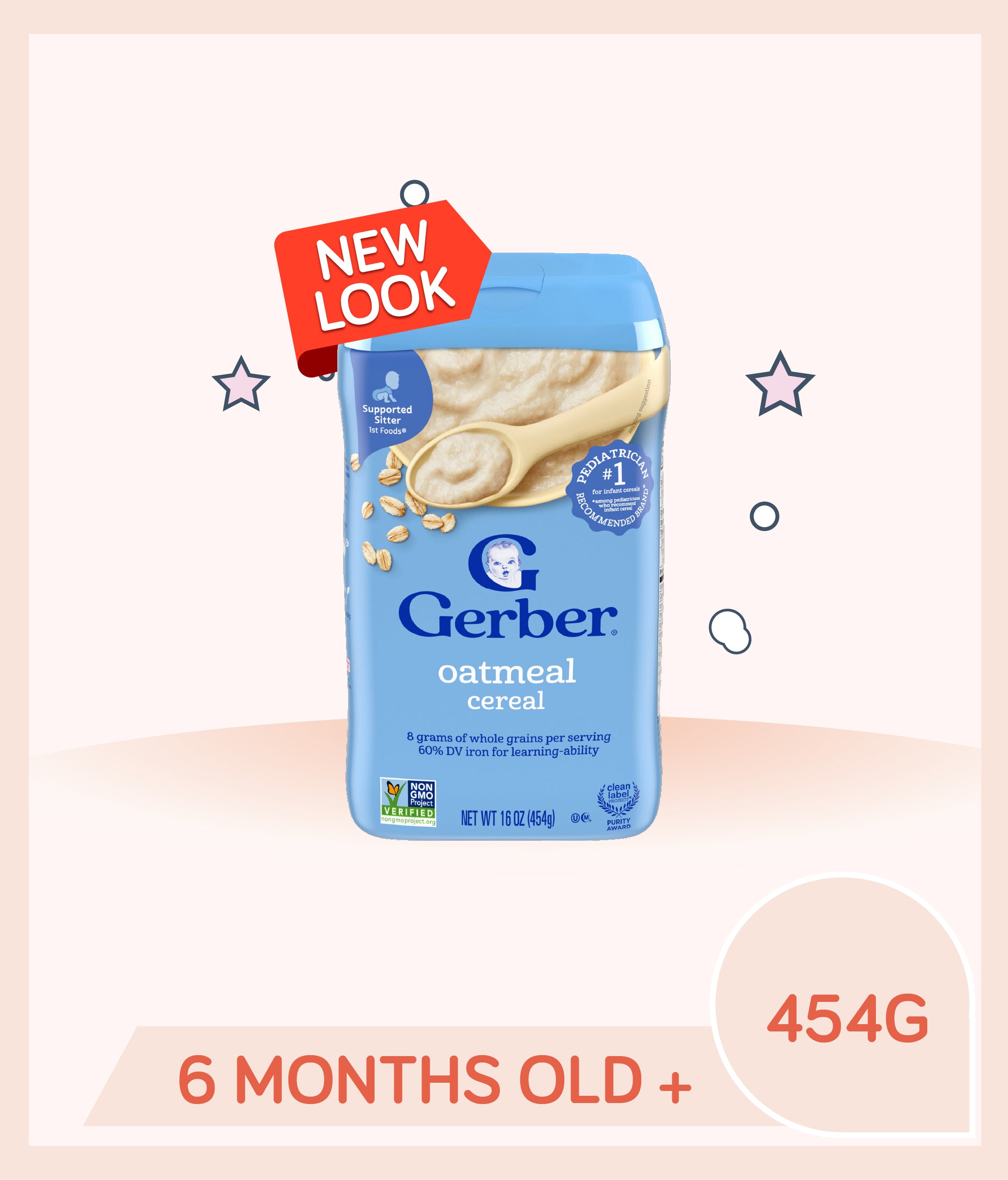
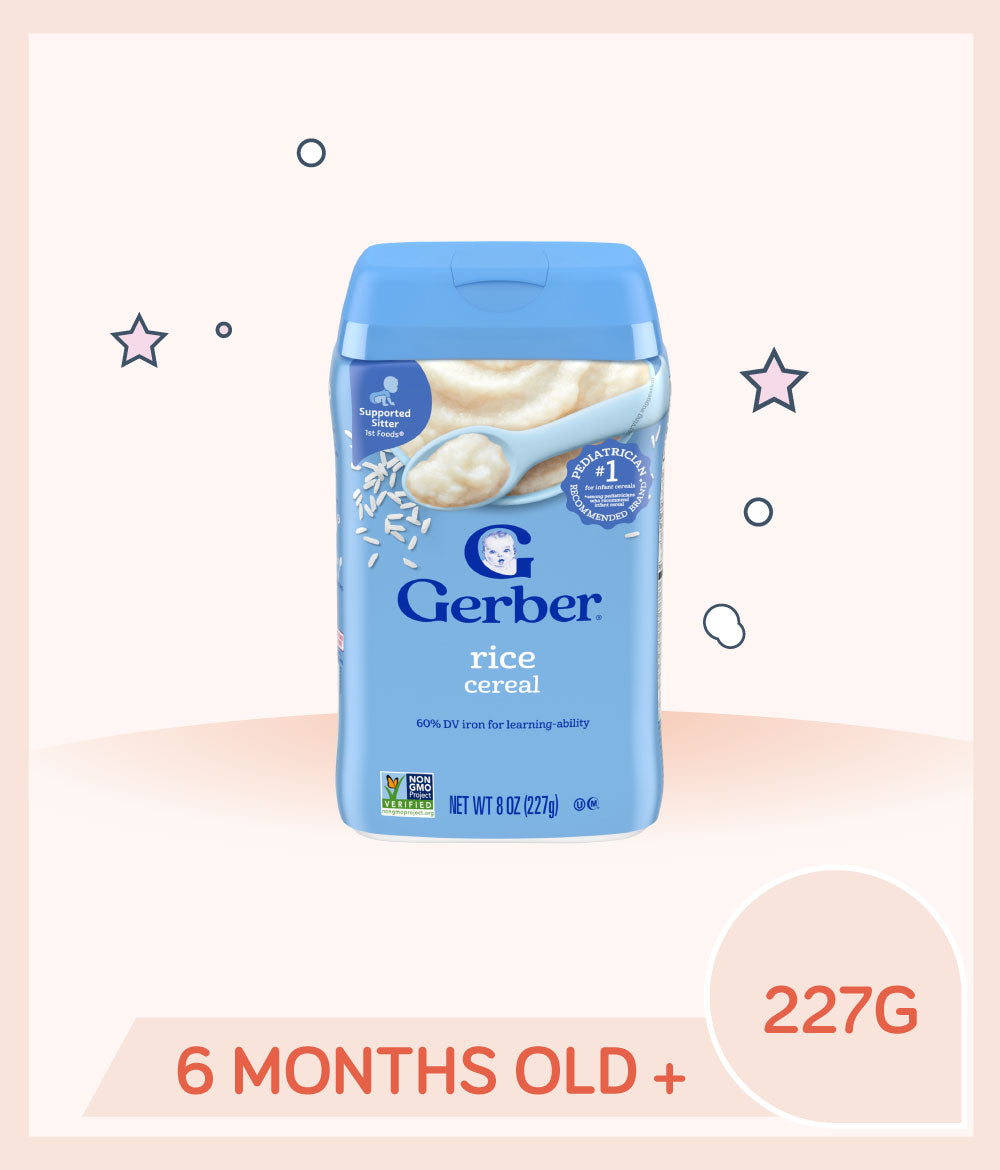
• Fresh fruit offered in age-appropriate form, like this from Gerber

Celebrating Chinese New Year with Babies
Babies don’t need to taste festive foods to enjoy the celebration. What they need most is:
• Safe, familiar foods
• Comfortable routines
• Happy, relaxed parents
Chinese New Year is about togetherness, not ticking off a list of foods. With a little awareness and preparation, families can celebrate joyfully while keeping babies safe and well.
References
1. World Health Organization (WHO). Infant and Young Child Feeding Guidelines
2. Centers for Disease Control and Prevention (CDC). Foods and Drinks to Avoid for Babies
3. American Academy of Pediatrics (AAP). Starting Solid Foods & Choking Hazards
4. Healthline. Foods Babies Should Avoid in the First Year
5. BabyCenter. Baby Feeding Safety and First Foods




Leave a Reply